
Project
A & A Global Environmental and Lab Inc
View some of our projects spanning across various categories related to air monitoring solutions, environmental laboratory bulk air sampling analysis, hazardous substances monitoring, asbestos removal and management, abatements, consultancy, surveys, and more. Explore our project portfolio to gain insights into our expertise, capabilities, and the impactful work we do to ensure environmental safety and quality control.


Washington Jacobs Organization
- Industry: Marketing And Research
- Size: 1 - 100
- Website: https://washingtonjacobs.org
Hazardous Substances Air Monitoring:- This project aims to ensure the safety and well-being of office occupants by identifying and mitigating potential risks associated with hazardous dusts, vapors, fumes, and other harmful substances. The assessment will involve laboratory bulk sampling, inhalable dust analysis, asbestos monitoring, and continuous monitoring of vapors and fumes in the air
Project Requirements
- Identify and quantify hazardous substances present in the office environment, including but not limited to dusts, asbestos, vapors, and fumes.
- Assess the potential health risks posed by these substances to office occupants.
- Implement appropriate control measures to mitigate identified risks and ensure compliance with relevant health and safety regulations.
- Provide recommendations for ongoing monitoring and maintenance to sustain a safe and healthy office environment.
The Scope Of Work
Scope of Work:
This project necessitates a comprehensive assessment of hazardous substances within and surrounding office environments to safeguard the health and well-being of occupants. Key requirements include.
- Laboratory Bulk Sampling:
- Collect samples from various areas within the office premises, including workspaces, storage areas, and common areas.
- Analyze samples for the presence of hazardous substances such as asbestos, silica, and other particulate matter.
- Determine the concentration levels of these substances to assess potential health risks.
- Hazardous Dusts and Inhalable Dust Monitoring:
- Conduct on-site monitoring to assess the levels of hazardous dusts and inhalable particulate matter in the air.
- Utilize real-time monitoring equipment to measure dust concentrations and particle sizes.
- Analyze monitoring data to identify hotspots and areas of concern for dust exposure.

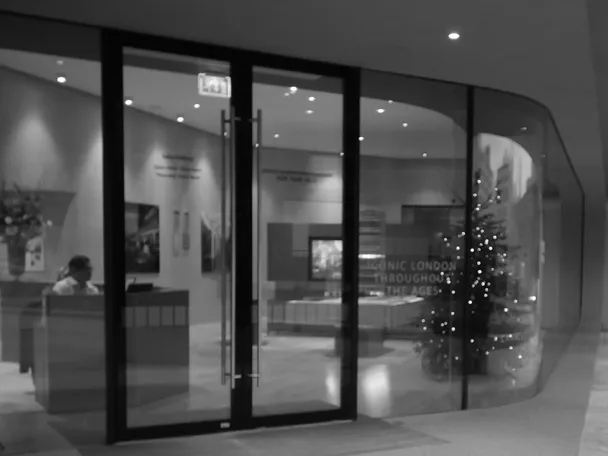
Out Door Entrance Without Canopy
- Asbestos Monitoring:
- Conduct thorough asbestos surveys to identify any asbestos-containing materials (ACMs) present in the office building.
- Perform air monitoring to detect asbestos fibers in the air, especially during activities that may disturb ACMs (e.g., renovation or maintenance work).
- Ensure compliance with asbestos regulations and guidelines to minimize the risk of asbestos exposure.
- Vapors and Fumes Monitoring:
- Install air monitoring equipment to continuously monitor the levels of vapors and fumes emitted from office equipment, cleaning products, and other sources.
- Conduct periodic assessments to identify any spikes or fluctuations in vapor and fume concentrations.
- Provide recommendations for ventilation improvements or alternative products to reduce exposure to harmful vapors and fumes.
- Comprehensive report detailing the findings of the hazardous substance assessment, including laboratory analysis results, monitoring data, and risk assessments.
- Recommendations for control measures and corrective actions to mitigate identified risks.
- Asbestos management plan outlining procedures for managing ACMs and minimizing asbestos exposure risks.
- Ongoing monitoring plan to ensure continued compliance with health and safety regulations and maintain a safe office environment.
- Laboratory Bulk Sampling: Collecting samples from various areas for analysis to identify hazardous substances such as asbestos and silica.
- Hazardous Dust and Inhalable Dust Monitoring: Conducting on-site monitoring to assess dust levels in the air and analyze data to pinpoint potential exposure risks.
- Asbestos Monitoring: Performing surveys and air monitoring to detect asbestos fibers, ensuring compliance with regulations and minimizing exposure risks.
- Vapors and Fumes Monitoring: Installing monitoring equipment to track vapor and fume levels continuously, with recommendations for mitigating exposure.
This out door area demands meticulous attention to detail, adherence to safety protocols, and the delivery of actionable recommendations to create and maintain a safe office environment
Challenges:
- Complexity of Hazardous Substances: Identifying and quantifying hazardous substances within office environments can be challenging due to the diverse nature of pollutants present, including dusts, vapors, and asbestos fibers. Each substance may require specific sampling and analysis methods, adding complexity to the assessment process.
Challenges:
2. Sample Collection and Analysis: Collecting representative samples for laboratory analysis necessitates careful planning and execution to ensure accuracy and reliability of results. Challenges may arise in accessing certain areas for sampling and handling samples safely to prevent contamination.
Challenges:
3. Dynamic Nature of Office Environments: Office environments are dynamic, with activities such as construction, renovation, or changes in occupancy patterns potentially impacting the distribution and concentration of hazardous substances. Continuous monitoring may be required to capture fluctuations in pollutant levels accurately.
Regulatory Compliance
Addressing these challenges requires a coordinated and multidisciplinary approach, involving collaboration between environmental consultants, occupational health specialists, and office management to overcome obstacles and ensure the success of the hazardous substance assessment project.

- Regulatory Compliance: Compliance with health and safety regulations, particularly regarding asbestos management and exposure limits for hazardous substances, presents a significant challenge. Navigating complex regulatory frameworks and ensuring adherence to standards require expertise and attention to detail.
- Interpretation of Monitoring Data: Analyzing monitoring data and interpreting results effectively is crucial for identifying potential health risks and implementing appropriate control measures. However, interpreting data from multiple sources and understanding the implications for occupant health can be challenging.
- Resource Limitations: Conducting a comprehensive hazardous substance assessment requires significant resources, including specialized equipment, skilled personnel, and time for data collection and analysis. Resource constraints may impact the scope and depth of the assessment.
Occupant Awareness and Communication: Communicating the findings of the assessment and the importance of mitigating identified risks to office occupants and stakeholders is essential. Ensuring effective communication and raising awareness about potential health hazards may pose challenges, particularly if there is resistance or skepticism among stakeholders


THE APPROACH AND SOLUTION
Comprehensive Site Assessment
- We started with a thorough evaluation of the office environment to identify potential sources of hazardous substances, including dusts, vapors, and asbestos-containing materials. Conduct visual inspections and surveys to pinpoint areas of concern.
2. Collect samples from various surfaces and materials within the office premises for laboratory analysis. Utilize specialized sampling techniques to capture a representative snapshot of the hazardous substances present, including asbestos fibers and other particulate matter.
Laboratory Bulk Sampling
2. Collect samples from various surfaces and materials within the office premises for laboratory analysis. Utilize specialized sampling techniques to capture a representative snapshot of the hazardous substances present, including asbestos fibers and other particulate matter.
3. Real-Time Monitoring: Deploy real-time monitoring equipment to continuously track levels of hazardous dusts, vapors, and fumes in the air. Implement monitoring stations strategically throughout the office to capture data in different zones and assess exposure risks.
Asbestos Management
- Conduct comprehensive asbestos surveys to identify and assess the condition of asbestos-containing materials (ACMs) within the office building. Implement measures to manage ACMs safely, including encapsulation or removal, to minimize the risk of asbestos exposure.
- Data Analysis and Interpretation: Analyze data collected from laboratory analysis and real-time monitoring to identify trends and patterns in hazardous substance levels. Evaluate potential health risks posed by exposure to these substances and prioritize areas for intervention.
Result For Efficiency and Customer Satisfaction
Efficiency
Customer Satisfaction
Sales Generated
The Results
Our overall result Towards this project is to enhance environmental safety and business performance through a holistic approach encompassing various metrics and initiatives, the endeavor to enhance environmental safety and business performance has yielded significant results.
1. Hazardous Substance Reduction and Office Environment Quality:
We implementated a targeted control measures that led to a notable reduction in the concentration levels of hazardous substances within the office environment. This reduction, coupled with improvements in air quality, comfort, cleanliness, and safety, has contributed to a higher level of satisfaction among office occupants regarding their workplace environment.
2. Cost Efficiency and Sales Generation:
Efforts to manage hazardous substances have demonstrated cost efficiency, with optimized spending on control measures and management practices. This efficiency has been reflected in the overall cost metric, indicating prudent resource allocation and effective risk mitigation strategies. Simultaneously, the successful sales generation in environmental safety services has bolstered the financial health of the business, driving revenue growth and market expansion.
I am delighted to share my experience with A & A Global Environmental and Lab Inc and their exceptional services in enhancing our office environment's safety and quality. As the Facilities Manager of our organization, ensuring the well-being of our staff has always been a top priority, and partnering with DQ Air Monitoring Solution has been instrumental in achieving this goal. From the outset, their team demonstrated a high level of expertise and professionalism, guiding us through a comprehensive assessment of hazardous substances within our office premises. Their thorough approach, combining laboratory analysis, real-time monitoring, and regulatory compliance assistance, provided invaluable insights into potential risks and opportunities for improvement. Thanks to their diligent efforts, we were able to identify and mitigate various hazards, including asbestos fibers, hazardous dusts, and volatile organic compounds, significantly enhancing the overall safety and air quality of our workplace environment. The implementation of targeted control measures not only reduced health risks for our staff but also contributed to a noticeable improvement in office comfort and cleanliness. We've partnered with A & A Global Environmental and Lab Inc Air Monitoring Solution for years, and their expertise in environmental laboratory bulk air sampling analysis is unmatched. Their accurate results and timely reporting have been crucial in our decision-making process

Clara Jones
Project Coordinator:- Washington Jacobs Network